
Artificial intelligence (AI) has transformed how software developers develop their software. Coding assistants today can generate functions, explain unfamiliar code and recommend fixes for bugs in just a few just a few seconds. However, most teams working on development quickly learn that generating codes is just one part of engineering. Understanding how a repository a whole fits together is the most difficult part.
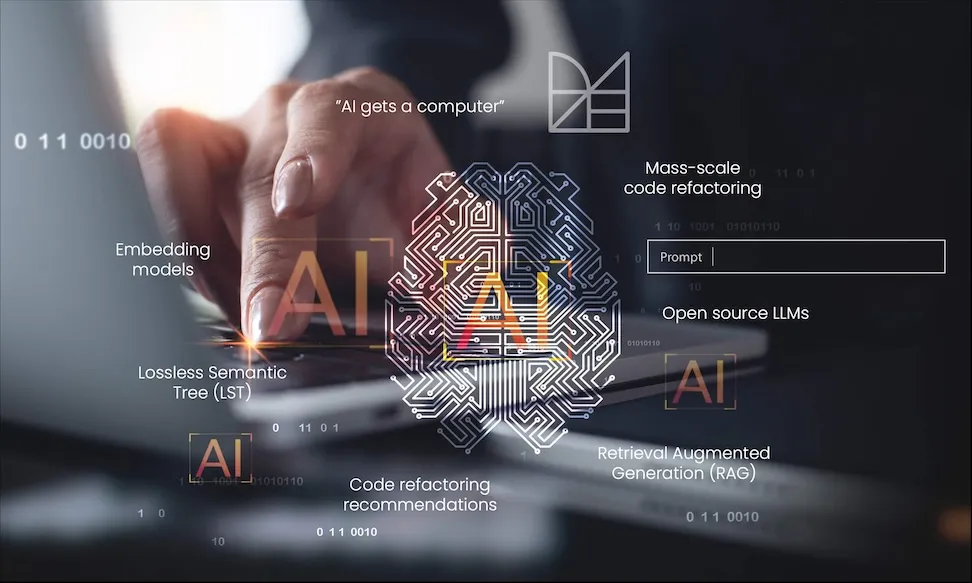
Large projects often contain thousands of interconnected files, libraries APIs, dependencies, and files. If an AI assistant is analyzing files without understanding the relationships between them, it could fail to find the cause of a glitch or create unexpected negative side effects. Repository intelligence of coding agents is becoming increasingly useful and provides a structured view before any changes are proposed.
Context is key to making better engineering decisions
Developers invest a lot of time tracing dependencies, discovering the root causes and determining how a modification may affect other parts of an overall project. Automating the discovery process engineers can concentrate on resolving problems instead of seeking them out.
Codna approaches software analysis differently by creating a deterministic understanding of an entire repository before AI begins generating fixes. The system does not use the model’s entire context to review a large number of files. Instead, it maps symbols, dependencies, and a potential blast radius and only gives the necessary evidence for the task. The platform cuts down on unnecessary processing and allows AI to function with greater confidence.
Reliable fixes require verification
It is crucial to be secure in AI-powered software development. The suggestion may seem to be right, but it may still result in regressions or failure of the current tests. Engineering teams must be sure that the proposed modifications will work for their respective applications.
A successful AI program for repairing code must provide more than just suggestions for edits. It must evaluate the impact of the changes, then compare the results to tests for project and provide engineers with sufficient details so that they can evaluate every change before they are deployed. This method of verification reduces risk, while facilitating faster development times.
Codna is a repository analysis tool that blends workflows and validation. This allows developers to swiftly move from identifying issues to reviewing tested solutions with the least amount of manual work.
Privacy and performance remain essential
As companies increasingly embrace AI-based development, they are also rethinking how sensitive source code needs to be handled. Compliance, privacy, and intellectual property protection are now essential considerations for engineers.
Codna’s emphasis on local repository understanding privacy-first design, as well as rapid analysis allows developers to have greater control over their code. Deterministic mapping and persistent memory minimize unnecessary data movement and increase efficiency without sacrificing security.
Designing the next generation of smart development workflows
Software engineering will not be reliant on large language models alone in the future. Instead, it’ll integrate the power of reasoning with a special infrastructure that can comprehend complicated repositories, validating changes and supporting developers throughout the lifecycle of software.
The shift in interest is a direct result of the change in interest. AI systems are now capable of more than just generate code. They can also spot issues, evaluate dependencies, propose safe solutions, and even examine the outcomes. These capabilities, when paired with the strong repository intelligence of the coding agents, allow engineers to save time in debugging software and spend more time delivering it.
By focusing on repository understanding and ensuring that code changes are verified and workflows that are controlled by developers, Codna is a method that has been that is designed to work in real engineering environments. Being an advanced AI software for repair of code It helps convert massive, complex codebases into structured knowledge that allows the developers as well as AI systems to collaborate more efficiently while producing quicker, safer, and more efficient software.