
Pump stations may seem like a basic utility structure from the outside, but in practice there are no two projects identical. One location may require to transport wastewater uphill from a housing development, while another could need to maintain pressure on commercial properties due to changing elevations and a growing demand. Certain projects are industrial while others are municipal. Each one has specific requirements regarding construction, regulations, and long-term goals.
This is the reason why pumping systems are not a subject to an uni-dimensional approach. A well-designed station should be designed around the specifics of the site, its conditions of the flow, the ownership needs, and the future of the property it serves. Romtec Utilities works from that viewpoint, designing each pumping system in accordance with the particular requirements of the project rather than requiring the project to be fitted with into a standard system.
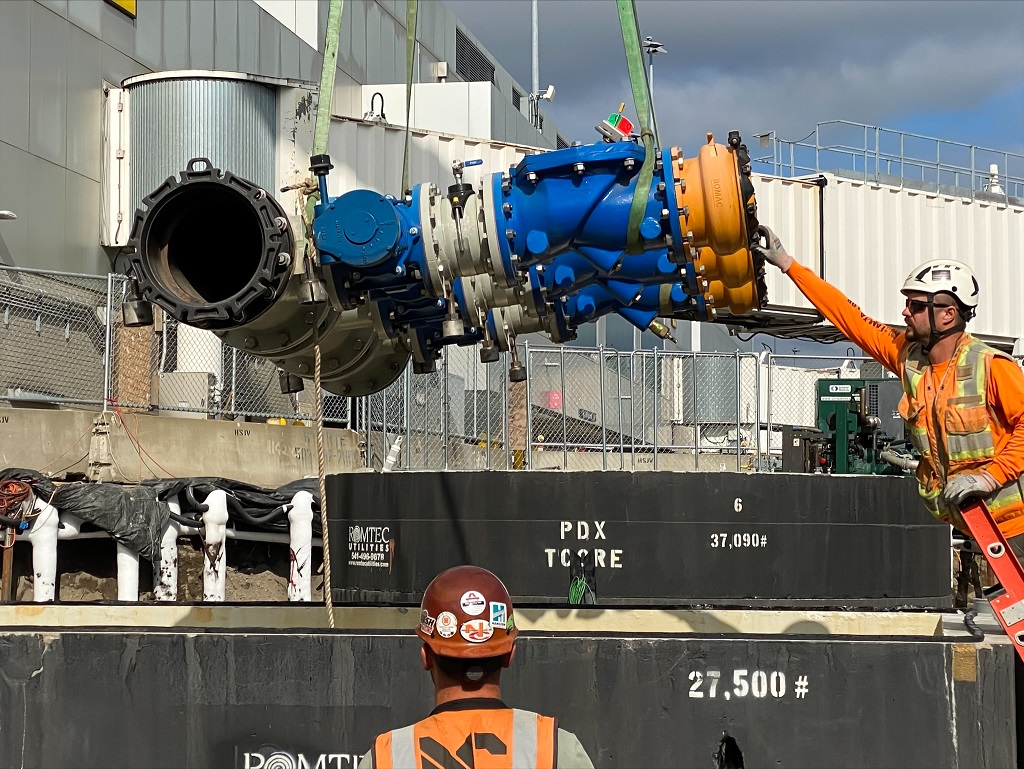
A good pumping design involves more than just the act of moving water
Pumping stations are designed to pump wastewater and water in cases where gravity is not sufficient. However, designing a system that only functions is not enough. It also has to be easy to manage and adhere to all local and state regulations. It is required to function not only on paper, but also in the everyday life of those who are responsible for its operation.
This can include everything from structural designs and wet-well sizing, to electrical systems, communications equipment and access for maintenance teams. If even one of those components is not properly planned the system could result in operating problems for the years to be. Owners and engineers value working with the most qualified lift station engineers. Experience is crucial when trying to balance longevity, hydraulic performance, budget, and limits of the site.
Romtec Utilities brings these disciplines under the same umbrella. Romtec Utilities manages the structural, mechanical and electrical elements of the station in a comprehensive system, meaning that customers do not need to coordinate with different suppliers. That single-source approach often saves time in the design process, eliminates confusion when purchasing, and creates a smoother route to installation.
When properly designed, package pumping systems can simplify the process.
Package pumping systems are able to simplify infrastructure projects by combining key components to create a seamless solution. However, the true value lies from the way that the package is engineered. An unmatched system could cause performance issues, excessive equipment that isn’t needed, and costly ongoing maintenance issues.
Romtec Utilities treats each package as a customized solution not just a catalog item. This means that specific to the location needs will decide which pumps, controls valves, piping, and enclosures are the best fit for. It is equally important to think about how the system can be monitored, which users can access it, as well as what maintenance it will need over time. A coordinated planning process can help prevent more serious problems in utility infrastructure.
Booster pump stations address a different type of infrastructure issue
Not all projects are about water treatment. In many projects, maintaining water pressure can be just as crucial as moving water. This is where booster pump stations play a critical role. They are specifically designed to allow water to flow smoothly through the system, even when the pressure is lower due to changes in elevation, long pipes, or large demand.
The design of booster systems are generally different from other types of systems. They could require control structures, variable-frequency drives, SCADA integration and telemetry. Romtec Utilities designs the stations in the same way as wastewater systems in order to ensure that the end product is both functional and operational.
Better planning can yield better results over the long term
The early support for design is one of the most important aspects of Romtec Utilities’ process. The engineering and design support helps team members to get a better idea of the size, scope, and costs of the installation prior to when they make any major changes in procurement or construction. This could make a big difference for consultants, developers, and public agencies trying to keep projects on schedule and within budget.
Planning is essential to achieving success whether it’s an wastewater lifting station, a pumping package or one of many custom booster pump stations. The ideal design partner will do more than simply supply equipment. They can aid in the creation of a solution that is secure and appropriate for the location, meets the owner’s needs and will last for a long time.
When it comes to utility work, typically the most reliable systems are ones that don’t get noticed because they work. This kind of reliability is rarely a result of random chance. This is the result of careful engineering, coordination and experience in the design of each system to meet the demands of the particular project.