
For a long time, people thought of the body contouring process in terms of the removal of excess fat to make an area smaller. Modern cosmetic surgery demands a more complex level of nuance. Before recommending a plan of procedure, surgeons assess the proportions, skin quality and the distribution of fat, in addition to the current anatomy.
At PRM Cosmetic Surgery, procedures are individualized to meet these elements. There are a variety of options for to fat transfer, liposuction and other techniques that target skin laxity. This gives surgeons numerous options for shaping the body rather than relying solely on one technique.
Proper Liposuction begins by determining the appropriate amount
Individuals looking for the ideal liposuction option will typically be focused on the amount of fat that could be removed. The more important question is how removing fat can affect the overall appearance of a person.
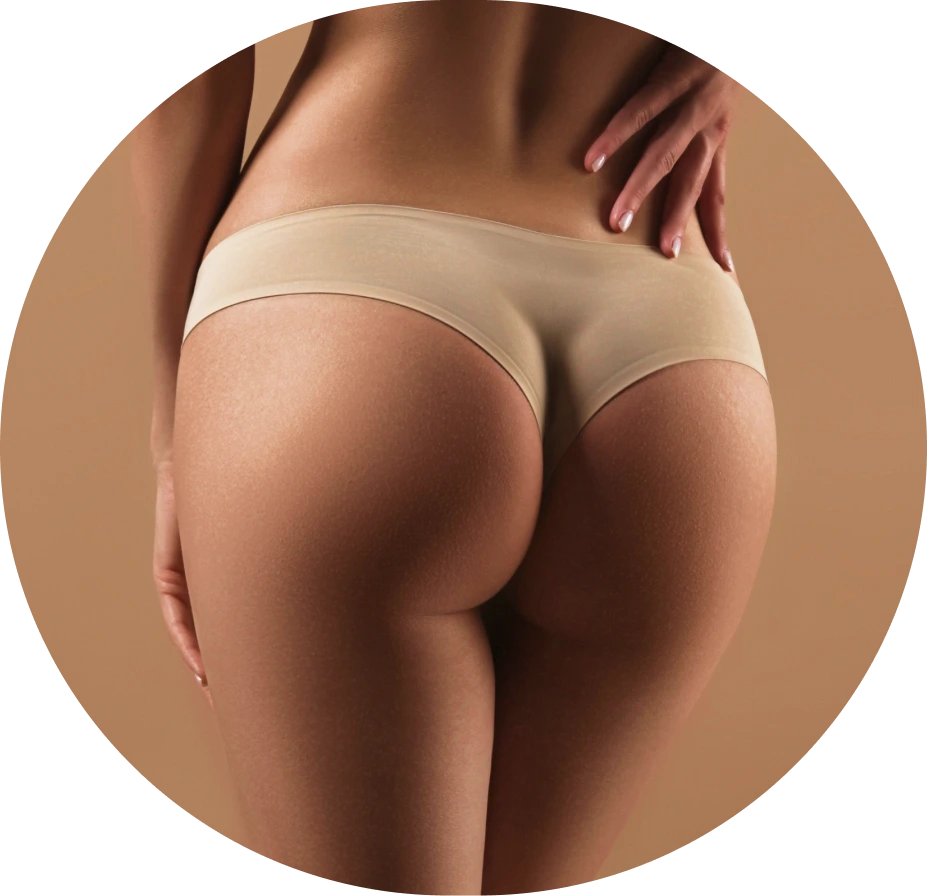
Image credit: prmsurgeons.com
For example, removing fat from the abdominal area can alter the relationship between the hips and waist. The flanks can help to make this transition more clear. It’s essential to be precise as aggressive fat removal doesn’t always work better. It’s essential to maintain the natural body shape of the patient and create smoother contours.
PRM Cosmetic Surgery offers cutting-edge procedures, such as tumescent sluosuction as well as treatment tailored according to the areas being addressed and the patient’s goals for aesthetics.
Why skin quality deserves attention
Skin and fat behave differently. Liposuction could reduce the localized accumulation of fat. However, it does not mean that the skin will contract in the desired way.
The topic of skin tightening is one that is worth discussing. The effects of age, genetics, previous weight changes, pregnancy, and even the current elasticity of your skin can affect the way that skin reacts to contouring.
Renuvion® J-Plasma is a technique that could be employed in cases where tissue laxity is an issue in the treatment plan. Instead of treating tightening only as a secondary consideration, surgeons may consider skin characteristics in the process of establishing the initial body contouring strategy.
Quantum RF and the conversation
Radiation-based technologies have also expanded the variety of options available in aesthetic medical treatments. Quantum radiofrequency is a different possibility to think about when discussing body contouring and tissue tightening.
Technology is, however, just one element of treatment. It isn’t a substitute for careful patient selection, anatomical expertise, or surgical judgment. Patients must be able to learn, during a consult what the reasons behind a specific technology is advised, its purpose, and any limitations that may apply to them.
Brazilian Buttlifts Have the Potential to Change More than the Buttocks.
A brazilian butt lift offers a useful example of how modern contouring involves relationships between different parts of the body. The procedure involves the body’s own fat that is taken from specific donor areas and transferred into the buttocks.
Thus, the appearance is a result of two factors in the shape of areas where fat is eliminated, and incorporating volume where appropriate. The way the silhouette appears is influenced by the waistline, abdomen, hips, and flanks.
Personalized Planning Matters More Than a Trend
It’s not a wise decision to select a cosmetic procedure solely because it’s very popular. Two people wanting slimmer waists may have different expectations about weight distribution, skin elasticity and proportions.
PRM Cosmetic Surgery provides individualized care and offers body contouring options designed around each patient’s goals. A thorough consultation is the chance to discuss anatomy, procedure choices, expected recovery, potential risks, and the realistic results prior to deciding if surgery or another cosmetic procedure is the best option for you.